



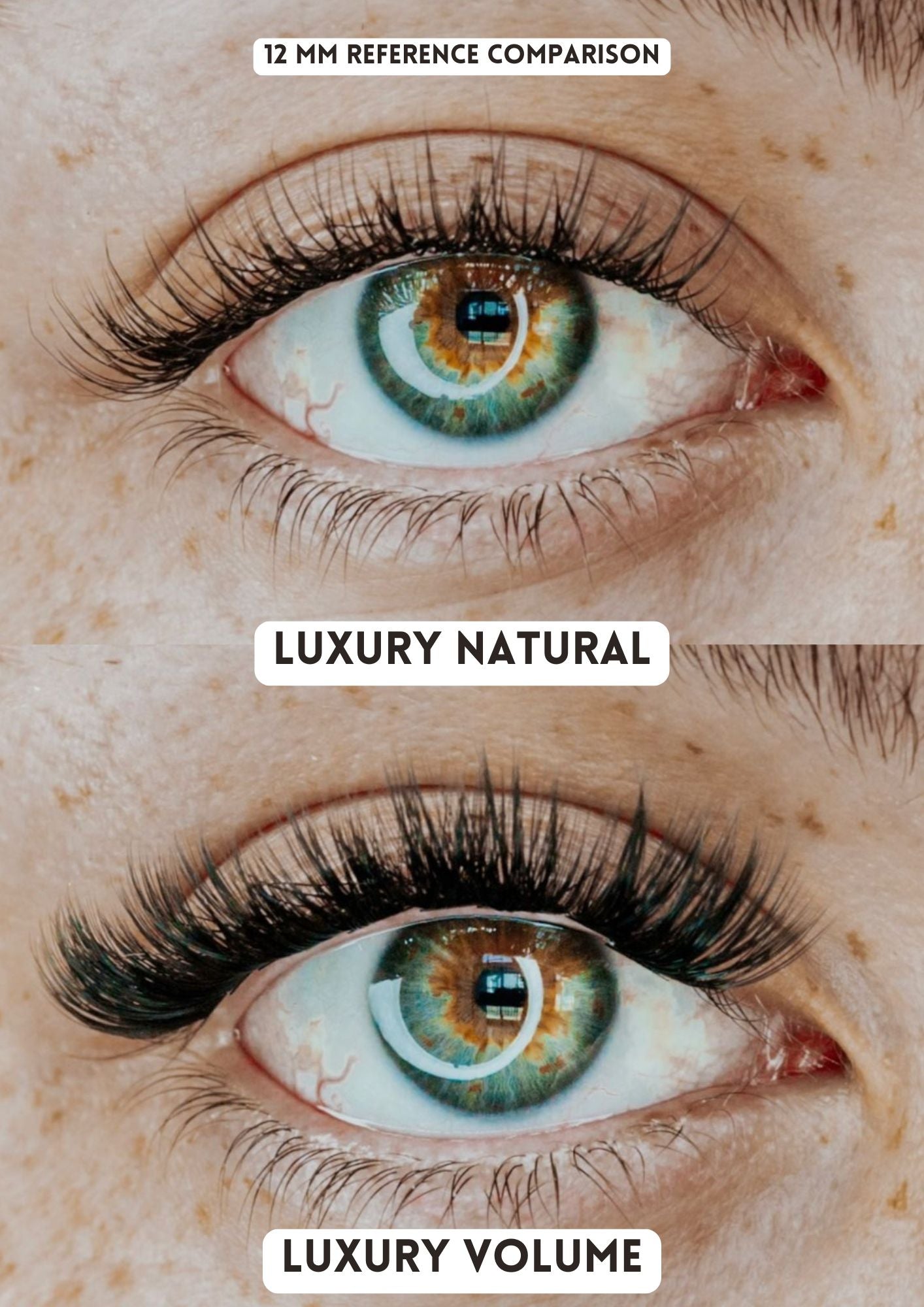
Eyelashes are more than just a beauty statement — they protect your eyes, frame your face, and reflect overall health. While topical serums and extensions enhance appearance, the foundation of truly resilient natural lashes starts from within. In this comprehensive guide, we explore the science of lash growth, the nutrients that support follicle function, and how a balanced approach to diet and supplementation can help strengthen your natural lashes — especially if you love wearing lash extensions from LashXtend.
How Lash Growth Works: The Biological Basics
Understanding how eyelashes grow provides the necessary context for why nutrition matters. Natural lashes follow a hair growth cycle comprised of three primary phases: anagen (growth phase), catagen (transition phase), and telogen (resting phase) before shedding and renewal. This cycle is much shorter for eyelashes than scalp hair, so nutrients that support active growth and reduce breakage can make a visible difference over time.
On a cellular level, follicles rely on a continuous supply of nutrients to synthesise keratin, the protein that gives lashes their structure and strength. Inadequate nutrition — whether due to dietary gaps, restrictive eating, or poor absorption — can disrupt this process, leading to dryness, brittleness, and slower regrowth. Research in hair and scalp health underscores that good nutrition supports hair strength, texture, luster, and has links to hair thinning when deficient nutrition is present.
Many people think of eyelashes as separate from everyday hair, but follicles across the body share a reliance on vitamins, minerals, proteins, and healthy fats. When delivered consistently, these micronutrients help sustain cellular metabolism and protect follicles from oxidative and inflammatory stress, key factors in healthy lash cycling.
Protein: The Foundation of Lash Structure
Protein serves as the structural backbone of eyelashes. Each lash is predominantly made of keratin, a fibrous protein that requires adequate dietary protein to form and repair effectively. Without sufficient protein intake, the body may prioritise more vital tissues, potentially leaving lash follicles under‑fuelled.
A varied diet with ample protein sources ensures follicles get essential amino acids, particularly cysteine and methionine, which are building blocks for keratin synthesis. Lean meats, eggs, dairy, legumes, tofu, and nuts are excellent sources that also contribute other lash‑boosting nutrients like iron and zinc. Integrating protein into every meal — such as eggs and spinach for breakfast or a lentil‑based salad for lunch — helps maintain constant amino acid availability for follicle repair and lash strength.
Actionable Tip: Aim for daily protein that matches your body weight and activity level — for many adults, that means targeting about one gram of protein per kilogram of body weight per day. This supports overall cellular repair and can indirectly benefit lash follicle health.
Biotin & B Vitamins: Lash Growth Supporters
Among the B‑vitamin family, biotin (vitamin B7) is often spotlighted for hair and lash health because of its role in keratin infrastructure. Biotin helps facilitate the metabolic pathways that convert food into cellular energy and protein synthesis. Deficiencies, though relatively uncommon in balanced diets, can make hair and lashes more prone to thinning and breakage.
Other B vitamins — including B1 (thiamine), B2 (riboflavin), B3 (niacin), B5 (pantothenic acid), and B12 (cobalamin) — contribute to healthy follicle function through cell metabolism, oxygen delivery, and energy production. These vitamins are abundant in whole grains, leafy greens, lean meats, legumes, and seeds.
However, it’s important to note that routine high‑dose supplementation of biotin isn’t universally effective unless deficiency is confirmed. Excessive biotin can even interfere with certain laboratory tests, sometimes leading to misdiagnosis. Many dermatologists suggest that biotin supplementation is most beneficial when guided by clinical evidence of deficiency.
Practical Advice: Focus first on a biotin‑rich diet — eggs, almonds, sweet potatoes, and spinach are excellent choices. Consider a B‑complex supplement only if dietary intake is insufficient or if blood work indicates lower levels.
Antioxidant Vitamins (C & E): Protecting Lash Follicles
Antioxidant vitamins like vitamin C and vitamin E play dual roles in lash health: they support structural proteins and defend follicles from oxidative stress. Vitamin C is essential for collagen synthesis, which although more commonly associated with skin integrity, also underpins the structural resilience of hair follicles. Additionally, vitamin C enhances iron absorption, a mineral critical for transporting oxygen to growing tissues including lashes.
Vitamin E contributes by improving blood circulation at the follicle level and acting as a potent antioxidant. Improved circulation ensures that hair growth organs receive the nutrients they need while antioxidants neutralise free radicals generated by environmental stressors like UV exposure.
Integrating antioxidant‑rich foods such as citrus fruits, bell peppers, strawberries (for vitamin C), and nuts like almonds and seeds like sunflower seeds (for vitamin E) can help fortify follicles against damage. Consider topping morning yogurt with berries and seeds or adding roasted peppers and spinach to your lunch — a few simple swaps that amplify nutrient intake.
Actionable Tip: Combining antioxidant foods daily not only supports eyelashes but also overall skin health and immunity.
Vitamin D, A & Other Fat‑Soluble Vitamins
Fat‑soluble vitamins — particularly vitamin D and vitamin A — influence lash health through cell regulation and follicle support. Vitamin D has been linked to hair follicle cycling and may contribute to reduced thinning when at adequate levels, especially in individuals with prior deficiency. Many people have suboptimal vitamin D, particularly in regions with limited sunshine or indoor lifestyles.
Vitamin A, converted from dietary beta‑carotene found in colourful vegetables, supports cell growth and sebum production, natural oils that help maintain lash hydration and resilience. However, because excessive vitamin A intake can paradoxically harm hair and follicle health, it’s crucial to stay within recommended limits.
Foods like sweet potatoes, carrots, leafy greens, and fortified dairy contribute these nutrients. Additionally, mindful sun exposure — about 10 to 20 minutes a few times per week, depending on skin tone and latitude — helps boost endogenous vitamin D production.
Actionable Tip: Pair foods rich in beta‑carotene with healthy fats (like olive oil) to enhance absorption of fat‑soluble vitamins.
Minerals That Matter (Iron, Zinc, Magnesium)
Minerals are critical micronutrients that support cellular function and follicle integrity. Iron is essential for oxygen delivery to all body tissues. In its absence, follicles — including those that produce lashes — can enter a stress state, leading to thinning and slow regrowth. Iron deficiency is a known contributor to hair shedding and brittle hair.
Zinc supports repair processes, tissue growth, and hormone balance, all important for follicle health. Zinc deficiency has been linked to hair thinning, and ensuring adequate zinc supports tissue renewal and cell division. Magnesium contributes to normal cellular metabolism and can support a balanced hair cycle though its direct role in lash growth is less studied.
Rich sources of iron include lean red meats, lentils, and spinach. Pumpkin seeds, legumes, and whole grains offer zinc, while magnesium is abundant in nuts, seeds, and whole grains.
Practical Tip: Pair iron‑rich plant foods with vitamin C — citrus fruits or bell peppers — to enhance absorption, especially for vegetarian and vegan diets.
Essential Fatty Acids (Omega‑3s) for Lash Hydration
Essential fatty acids, particularly omega‑3s, are important for maintaining healthy skin and hair follicle environments. These healthy fats support hydration and reduce inflammation at the follicle level, making lashes less prone to brittle breakage and increasing their resilience.
Omega‑3 fatty acids help nourish cell membranes and support lipid layers that keep the skin and lashes supple. Dietary sources include fatty fish, flaxseeds, chia seeds, and walnuts. Regular intake of omega‑3s can be a valuable component of a lash‑supportive diet plan.
Actionable Tip: Include omega‑3 rich foods several times a week — a salmon dish or chia seed pudding can be tasty and effective.
Supplements: When They Help & What to Look For
While a nutrient‑rich diet is the foundation of eyelash health, supplements can help fill gaps when dietary intake is insufficient, especially if guided by medical advice. Supplements that combine targeted nutrients like iron (when deficient), vitamin D, omega‑3s, and B‑complex vitamins can support lash follicles from the inside out.
It is important, however, to approach supplementation with caution. Excess intake of certain vitamins or minerals can be counterproductive, and some, like vitamin A, can be toxic at high levels. Moreover, relying solely on supplements without addressing underlying dietary patterns or lifestyle factors often yields limited results.
Consider having blood work done to identify specific deficiencies before beginning supplementation. From there, choose high‑quality products with transparent labels and, where possible, third‑party validation. Always consult a healthcare provider, especially if you’re pregnant, nursing, have medical conditions, or are taking medications.
Actionable Tip: If you’re considering supplements to boost lash health, look for formulations that align with your current nutritional needs and combine them with a balanced diet for best results.
Sample Daily Nutrition Plan for Lash Health
Having seen which nutrients matter, creating a practical daily menu helps bring theory into action. A balanced plan that includes key vitamins, minerals, protein, and healthy fats ensures consistent nutrient delivery to lash follicles.
Start the day with a breakfast combining high‑quality protein and antioxidants — for example, a vegetable omelette with spinach and a side of berries. For lunch, a salad featuring grilled salmon or chickpeas with vibrant vegetables and seeds delivers omega‑3s, iron, and vitamin E. Snacks like a handful of almonds or pumpkin seeds provide zinc and healthy fats. Dinner might include lentil curry with colourful vegetables, rounding out macronutrients and a range of micronutrients.
Hydration also matters: drinking adequate water supports cellular transport systems that deliver nutrients to follicles. Pair meals with water and consider herbal teas to support overall digestion.
Practical Tip: Plan meals that cover several nutrients in each dish. Diversity in colours and food groups typically translates to nutrient diversity.
Integrating Nutrition With Lash Extensions & Care
Nutrition forms the internal scaffolding for strong, healthy lashes, but this works best when combined with external care practices — particularly if you wear lash extensions from LashXtend. Extensions enhance aesthetics but can place additional stress on natural lashes if follicles are weak or brittle.
To complement your nutrition strategy, adopt a gentle lash care routine. Avoid aggressive rubbing, oil‑based makeup removers that can weaken lash adhesive, and heavyweight mascaras that stress lash bases. Pair daily nourishment with a lash serum regimen and proper extension fills to maintain both natural lashes and extensions longer.
Remember, healthy follicles are more resilient to daily wear and tear. Nutrition and supplementation give your body the tools it needs to repair, grow, and maintain lashes that withstand both environmental stress and styling practices.
Conclusion
Strong, healthy natural lashes are built from the inside out. By understanding the biological cycles of lash growth and prioritising key nutrients — from protein and biotin to antioxidant vitamins and essential minerals — you provide follicles with the foundation they need to function optimally. While supplements can aid when directed by healthcare guidance, a food‑first approach paired with smart lifestyle and lash care practices offers the most sustainable path to resilient lashes.
Combining targeted nutrition with lash care elevates your results, helping you enjoy fuller, stronger natural lashes that beautifully support lash extensions from LashXtend. With a consistent, holistic approach, you empower your body to nourish lashes at their source and maintain their health through every cycle.


Share:
DIY Lash Extension Styles for Every Lifestyle: Comfort, Durability and Best Practices
How to Correctly Store and Preserve Unused DIY Lashes