



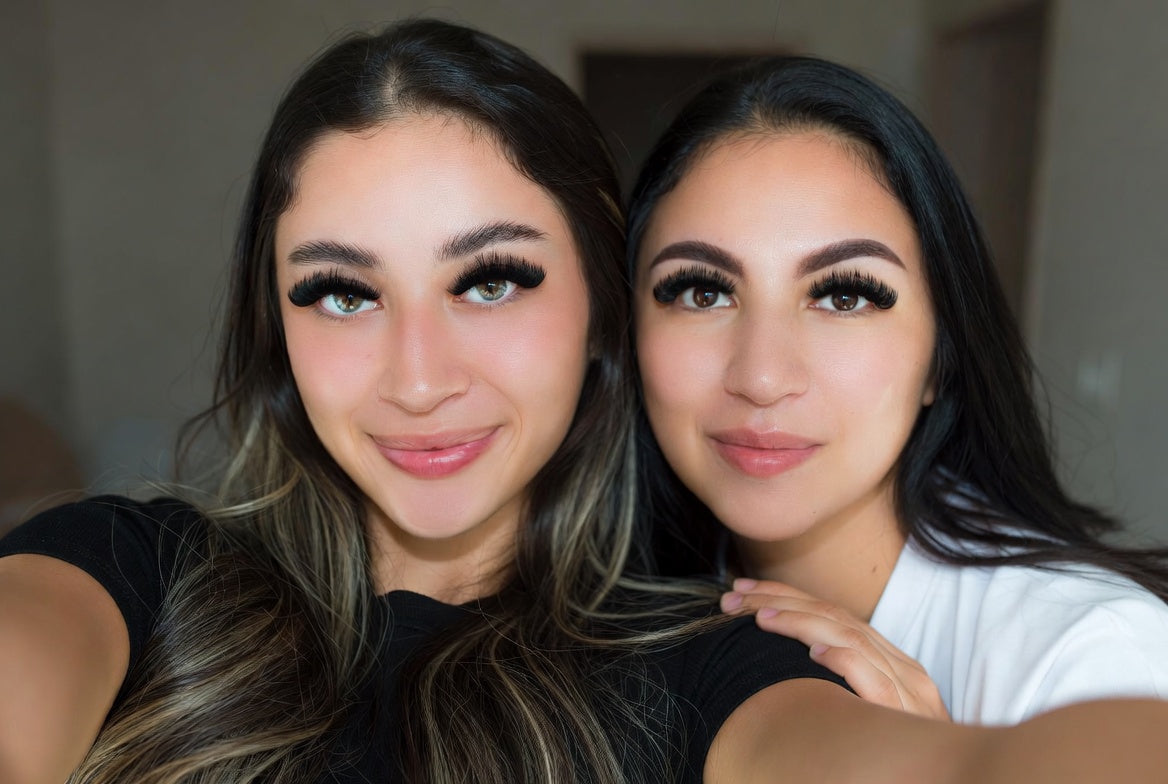
Introduction
Why can something as seemingly simple as enhanced eyelashes transform how you feel about yourself? The question might sound trivial at first, but the answer is rooted in fascinating psychological research that validates what millions of people experience daily: the profound connection between how we look and how we feel.
Beauty is often dismissed as superficial or vain, but modern psychology and neuroscience reveal a more complex reality. Our appearance significantly influences our self-perception, confidence, and even our mental wellbeing. When we enhance our appearance in ways that align with our ideal self-image, measurable psychological benefits follow, from elevated mood to improved social interactions.
This exploration delves into the science and psychology behind why lash extensions specifically boost confidence and self-esteem. We'll examine how first impressions form in mere milliseconds, why eyes matter so profoundly in human interaction, and how the simple act of enhancing your lashes can trigger a cascade of positive psychological effects that ripple through every aspect of your life. Whether you're considering lash extensions or simply curious about the psychology of beauty, this evidence-based journey will illuminate why feeling beautiful isn't superficial—it's fundamentally human.
The Science of First Impressions: Why Eyes Matter
Human beings are hardwired to assess each other rapidly. From an evolutionary perspective, this ability served a critical survival function: quickly determining whether a stranger posed a threat or opportunity meant the difference between danger and safety. Modern research has quantified just how fast this assessment occurs, and the results are striking.
Studies from Princeton University reveal that people form judgments about attractiveness, trustworthiness, and competence within just one-tenth of a second when meeting someone. That's faster than a single heartbeat. These snap judgments, while lightning-quick, are remarkably detailed and often surprisingly accurate.
Research conducted at the University of Michigan found that first-day ratings of classmates on traits like sociability and responsibility generally aligned with self-ratings, demonstrating the accuracy of initial impressions. This "thin slice" of observation, as Stanford psychologist Nalini Ambady termed it, happens outside our conscious awareness and requires minimal cognitive processing.
But why do eyes specifically dominate this first impression calculus? The answer lies in both biology and social function. Eyes are the most expressive feature of the human face, capable of conveying complex emotions and intentions. We instinctively search for eyes when we encounter a face, seeking the emotional and social information they provide. Eye contact serves monitoring, regulatory, and expressive functions in communication, making eyes the primary channel for human connection.
Research on facial impressions shows that specific features like eye size, eyebrow position, and the overall eye area significantly influence judgments of trustworthiness, attractiveness, and other personality traits. Larger eyes are associated with youth, trustworthiness, and attractiveness across cultures. When eyelashes frame and enhance the eyes, they amplify these positive associations, making the eyes appear larger, brighter, and more expressive. This isn't vanity—it's visual communication happening at a neurological level.
The Psychology of Self-Perception and Appearance
The relationship between how we look and how we feel operates through a psychological mechanism called self-perception. Individuals who view themselves as attractive often experience a boost in self-esteem and are more likely to engage in social activities, enhancing their overall quality of life. This internal viewpoint serves as the lens through which we experience the world and our place in it.
Self-discrepancy theory explains much of the emotional distress people experience around appearance. Developed by psychologist E. Tory Higgins, this framework examines the gaps between our actual self, our ideal self, and our ought self. When individuals perceive a significant gap between their actual physical appearance and their idealized versions, this discrepancy can lead to profound psychological discomfort that critically impacts self-esteem and mental health.
Beauty interventions—whether cosmetic procedures, makeup, or lash extensions—work psychologically by closing these self-discrepancy gaps. When you look in the mirror and see a version of yourself that more closely matches your ideal, the psychological relief is measurable. Research demonstrates that improving a physical trait improves attitude, personality, and self-esteem, with these positive changes internalized and directly impacting self-perception.
The connection runs deeper than simple satisfaction with appearance. Perceptions of beauty, deeply rooted in societal norms, significantly impact self-esteem, self-concept, and mental wellbeing. When societal standards align with personal enhancement goals, the psychological benefits multiply. However, it's crucial to distinguish between healthy enhancement that brings you closer to your authentic ideal and unhealthy attempts to meet impossible external standards. The former builds genuine confidence; the latter breeds anxiety.
The "Looking Good, Feeling Good" Phenomenon
The bidirectional relationship between appearance and mood has been documented extensively in psychological literature. It's not merely that confident people take better care of their appearance—the causation flows in both directions, creating what researchers call a positive feedback loop.
When you enhance your appearance and receive positive feedback, several neurological processes activate simultaneously. Compliments and admiring glances trigger dopamine release in the brain's reward centers, creating pleasurable sensations that reinforce the behavior. According to the Dove Self-Esteem Project, individuals exposed to body-positive imagery and authentic representation report feeling more confident and show improved self-esteem. This same principle applies to personal appearance enhancements that align with individual preferences.
The ripple effect extends far beyond the initial boost. Enhanced appearance leads to improved mood, which influences social interactions. Better social interactions provide positive reinforcement, which further improves self-image. This creates an upward spiral: each positive experience builds on the previous one, compounding the psychological benefits over time.
Research in cosmetic psychology demonstrates that physical appearance, as a central component of self-image, significantly influences how individuals perceive their worth and confidence. When people feel good about specific aspects of their appearance, they report higher overall life satisfaction, better performance in professional settings, and more fulfilling personal relationships. The impact isn't limited to self-perception—others genuinely respond differently to people who project confidence, creating external validation that reinforces internal feelings.
Critics sometimes dismiss these benefits as superficial, but neuroscience tells a different story. The brain doesn't distinguish between "superficial" and "meaningful" sources of confidence. When you look in the mirror and feel pleased with your appearance, the neural pathways that activate are the same ones that light up during other confidence-building experiences. The psychological benefits are real, measurable, and significant.
Why Lashes Specifically? The Unique Psychology of Eye Enhancement
Among all facial features, eyelashes occupy a unique psychological space. Understanding why requires examining both evolutionary biology and modern social psychology.
From an evolutionary perspective, our subconscious attraction to features associated with health and fertility is rooted in evolutionary psychology. Long, full eyelashes have historically signaled youth, health, and femininity across diverse cultures. This isn't arbitrary—lashes naturally thin and shorten with age, making fuller lashes a reliable marker of youthfulness. While we've moved far beyond pure evolutionary drivers in modern society, these ancient preferences still influence our unconscious aesthetic responses.
The framing effect explains much of lashes' psychological impact. Just as a beautiful frame enhances a painting by directing attention and creating boundaries, eyelashes frame the eyes and amplify their expressiveness. When lashes are enhanced, eyes appear larger, brighter, and more defined. The immediate impact of longer, fuller lashes can transform the appearance of the eyes, often leading to a more youthful and alert look that profoundly affects self-esteem.
This framing serves a critical communication function. Eyes are vital in human connection, and maintaining eye contact is crucial in effective communication—when you have long, luscious lashes, your eyes become even more captivating. Enhanced lashes make your expressions more visible and impactful. A subtle smile becomes more noticeable when framed by defined lashes. Emotional expressions convey more clearly. This improved communication creates better social connections, which feed back into increased confidence.
The "always on" factor distinguishes lash extensions from other beauty enhancements. Unlike makeup that requires daily application and maintenance, extensions provide consistent enhancement. This reliability has profound psychological implications. You don't wake up wondering if you'll have time to make your eyes look good—they already do. There's no mid-day anxiety about smudged mascara or the need for touch-ups. This psychological security, the knowledge that you look polished regardless of circumstances, creates a baseline confidence that permeates daily life.
The Confidence Cascade: How Lash Extensions Transform Daily Life
The psychological benefits of lash extensions don't exist in isolation—they cascade through every domain of daily life, creating cumulative confidence that transforms ordinary experiences.
Morning Transformation
Your day begins differently with lash extensions. Women with lash extensions save an average of fifteen minutes daily by eliminating mascara application, but the benefit extends beyond time savings. Waking up and seeing yourself already polished in the mirror sets a positive psychological tone for the entire day. That morning glance that once required coffee and makeup to feel acceptable now immediately affirms your appearance. This early confidence boost influences everything that follows, from your mood to your willingness to engage with challenges.
Social Interactions
Perhaps nowhere is the confidence cascade more evident than in social settings. When you feel good about your appearance, you're more likely to make eye contact. More eye contact creates better conversations. Better conversations lead to stronger connections. Feeling good about appearance makes individuals more likely to engage with others, leading to new friendships and connections. This isn't superficial—it's the psychological reality of how confidence enables social courage.
Many people report that after getting lash extensions, they find themselves saying yes to social invitations they might have previously declined. The elimination of appearance anxiety removes a barrier to social engagement. You no longer need to calculate whether you'll have time to "get ready" before meeting friends or attending events. You're already ready, and that readiness translates to social confidence.
Professional Impact
The workplace presents particular challenges where appearance and competence intersect. Fair or not, research consistently demonstrates that physical appearance influences professional evaluations. Attractive people not only impress observers as more physically appealing, but observers also assume they are more fit, intelligent, perceptive, and amiable. This halo effect means that appearing polished and put-together can subtly influence how colleagues, clients, and supervisors perceive your competence and professionalism.
In the age of video conferencing, this impact has intensified. Your face fills the screen during virtual meetings, making eye area enhancement particularly noticeable. Lash extensions ensure you appear camera-ready for unexpected calls without scrambling for makeup. The confidence this provides during presentations, negotiations, and networking cannot be overstated. When you're not worried about your appearance, you can focus entirely on performance.
Intimate Relationships
Confidence in intimate settings presents unique psychological dimensions. Many people experience vulnerability around appearance with romantic partners, particularly in situations without makeup. Lash extensions address this specific anxiety by ensuring your eyes look enhanced even in your most natural state. This seemingly small assurance can significantly impact relationship confidence and comfort.
The Time-Saving Effect on Mental Health and Wellbeing
The time saved by eliminating daily mascara application represents more than schedule convenience—it reflects a meaningful reduction in cognitive load and decision fatigue that impacts overall mental health.
Decision fatigue describes the deteriorating quality of decisions after a long session of decision-making. Every morning, we face countless small choices that drain mental energy: what to wear, what to eat, how to style hair, which makeup to apply. Each decision depletes the cognitive resources needed for important choices later in the day. By eliminating the mascara decision and the accompanying application process, lash extensions preserve mental energy for matters that truly require it.
The psychological impact of morning routine stress deserves particular attention. Mornings set the emotional tone for entire days. When your routine feels rushed, chaotic, or stressful, that state often persists for hours. Conversely, a calm, efficient morning routine promotes wellbeing throughout the day. Saving ten to fifteen minutes while simultaneously feeling more put-together creates a psychological win-win that compounds over time.
Consider also the cognitive load of appearance monitoring throughout the day. Without lash extensions, many people periodically worry about mascara smudging, flaking, or wearing off. These micro-anxieties may seem trivial individually, but they accumulate into significant mental burden. The freedom from constant appearance checking represents genuine psychological relief. You can cry at movies, exercise intensely, swim, or simply live your life without monitoring your eye makeup. This mental freedom, while difficult to quantify, meaningfully improves quality of life.
Time savings also function as a form of self-respect. When you value your time enough to invest in solutions that preserve it, you're making a statement about your worth. This isn't frivolous—it's acknowledging that your time and mental energy matter. The minutes saved add up to hours annually, hours that can be redirected toward sleep, meaningful relationships, career development, or simple relaxation. Each represents an investment in wellbeing that extends far beyond appearance.
Social Psychology: How Others Respond to Your Confidence
The psychological benefits of lash extensions extend beyond self-perception—they fundamentally alter how others perceive and respond to you, creating social feedback loops that reinforce confidence.
The confidence feedback loop operates through subtle but powerful mechanisms. When you feel confident about your appearance, it manifests in body language: more upright posture, more frequent smiling, more sustained eye contact, and more relaxed facial expressions. These nonverbal cues communicate confidence to others, who unconsciously respond with more positive engagement. This positive response reinforces your confidence, strengthening the entire cycle.
Research on the halo effect reveals how this operates in practice. Teachers give attractive students more attention and higher grades, and attractive defendants receive less harsh punishments in court. While we might wish appearance didn't influence these important judgments, human psychology operates through pattern recognition and rapid assessment. Appearing polished and put-together triggers assumptions about competence, reliability, and social status that open doors and create opportunities.
Compliments and positive attention play crucial roles in this social dynamic. When your lashes look beautiful, people notice and comment. These compliments aren't shallow—they represent social validation that reinforces positive self-image. Each positive comment creates a small dopamine release, a neurological reward that strengthens the association between your enhanced appearance and positive feelings. Over time, these accumulated validations build robust self-esteem that persists even without constant external feedback.
The authenticity question inevitably arises: If the confidence comes from artificial enhancement, is it genuine? This concern misunderstands how confidence operates psychologically. Confidence isn't about being entirely "natural" in some idealized sense—it's about feeling comfortable and positive in your own skin. If lash extensions help you feel that way, the confidence is completely authentic. Most people can't even identify whether someone is wearing extensions. What they notice is the confidence, the bright eyes, the engaging presence. The source matters less than the genuine feeling it creates.
DIY Lash Extensions: Empowerment Through Self-Reliance
The rise of DIY lash extensions adds fascinating psychological dimensions to the confidence equation, introducing elements of skill development, agency, and creative expression that amplify traditional beauty benefits.
Taking control of your own lash enhancement represents a form of empowerment distinct from salon services. When you learn to apply your own extensions, you're developing a skill, building competence, and achieving mastery. This process activates self-efficacy—the belief in your ability to succeed at specific tasks. Research consistently shows that self-efficacy correlates strongly with overall confidence and life satisfaction. Each successful application builds not just beautiful lashes but also the belief that you can learn, improve, and succeed.
The learning curve itself provides psychological benefits. Mastering DIY lash application requires patience, precision, and problem-solving. These cognitive challenges engage your brain in meaningful ways. The pride you feel after successfully completing a difficult application transfers to other areas of life. You've proven to yourself that you can acquire new skills, overcome frustration, and achieve results through practice. This growth mindset benefit extends far beyond your appearance.
Financial empowerment represents another crucial psychological element. When you control your beauty budget through DIY solutions, you're making smart financial decisions that boost self-respect. You're no longer dependent on expensive salon appointments or limited by financial constraints. This accessibility democratizes beauty enhancement, making it available regardless of income level. The psychological freedom of knowing you can maintain beautiful lashes on your own terms, your own schedule, and your own budget creates genuine empowerment.
Creative expression adds yet another layer of psychological benefit. Choosing lash lengths, styles, and placement patterns allows you to customize your look and express your aesthetic identity. This artistic outlet, while focused on beauty, engages creativity in satisfying ways. Experimenting with different styles helps you develop your personal aesthetic and build confidence in your taste and judgment. The process of creating your own look rather than passively receiving it from a professional transforms you from consumer to artist.
Breaking the "Superficial" Stigma: Why Appearance Matters for Wellbeing
The persistent cultural narrative that caring about appearance is superficial or vain deserves examination through the lens of modern psychological research, which tells a more nuanced story about appearance and authentic wellbeing.
The dichotomy between inner and outer beauty represents a false division that doesn't reflect how human psychology actually operates. We are simultaneously intellectual, emotional, social, and physical beings. These dimensions don't compete—they integrate. Dismissing appearance concerns as superficial invalidates real experiences and denies the legitimate psychological impact of body image on mental health.
Research demonstrates that body image satisfaction correlates significantly with overall life satisfaction and mental wellbeing. Appearance-related anxiety is measurable, documented, and genuinely impacts quality of life. Small interventions that improve body image satisfaction can reduce psychological distress and improve multiple life domains. This isn't vanity—it's validated psychological reality.
The feminist perspective on beauty presents important considerations. For decades, some feminist discourse has criticized beauty practices as patriarchal oppression. While understanding systemic beauty standards and their cultural roots remains important, modern feminist thought increasingly recognizes that women's choices to enhance their appearance can represent genuine empowerment when made from agency rather than coercion. The key distinction lies in choice: Do you feel compelled to conform, or are you freely choosing enhancement that brings you joy? Both accepting natural appearance and choosing enhancements are valid feminist positions when grounded in personal choice rather than external pressure.
Holistic wellbeing frameworks recognize that physical, emotional, and social health interconnect. Appearance affects all three domains. When you feel good about how you look, your emotional state improves. Better emotional state enhances social confidence. Improved social connections benefit mental health. These elements form an integrated system where improvements in one area catalyze positive changes throughout. Dismissing appearance as unworthy of attention severs this integration and denies the legitimate role physical presentation plays in comprehensive wellbeing.
The Dark Side: When Enhancement Becomes Problematic
While the psychological benefits of lash extensions are real and meaningful, intellectual honesty requires acknowledging when enhancement crosses from healthy confidence-building into problematic territory.
The critical distinction lies between enhancement and dependency. Healthy enhancement means you feel better with lashes but still fundamentally okay without them. Your self-worth exists independently of your extensions, even if you prefer life with them. Problematic dependency means you feel incomplete, anxious, or unable to function socially without your enhancements. If removing your lashes triggers genuine distress or you avoid situations where people might see you without them, this suggests the enhancement has become psychologically problematic rather than beneficial.
Body dysmorphic disorder represents the extreme end of appearance concerns. Body dysmorphic disorder, with a global prevalence of approximately two percent, involves obsessive focus on perceived appearance flaws and correlates with high rates of depression and anxiety. While most people who enjoy lash extensions don't have BDD, it's important to recognize warning signs: spending excessive time thinking about lashes, repeatedly seeking reassurance about their appearance, avoiding social situations based on lash concerns, or feeling that perfect lashes will solve life problems.
The social media comparison trap presents particular risks in the age of filtered images and professional photography. When you compare your real-life lashes to heavily edited photos, you're setting impossible standards that guarantee dissatisfaction. The pervasive reach of idealized beauty images through social media platforms creates pressure to present an idealized appearance, which can precipitate body dissatisfaction and negative psychological outcomes. Healthy lash extension use means celebrating your personal enhancement while maintaining realistic expectations about what lashes can and should look like in real life.
Balance and perspective protect against problematic patterns. Lashes should enhance your confidence, not constitute its sole foundation. Your self-esteem should draw from multiple sources: accomplishments, relationships, values, skills, and yes, appearance. When appearance becomes the primary or only source of self-worth, vulnerability to anxiety and depression increases significantly. The goal is integration—lashes as one element of comprehensive confidence that includes but doesn't depend solely on physical enhancement.
Real Stories: The Psychological Impact in Practice
The theoretical psychology of lash extensions finds validation in real experiences across diverse life situations, demonstrating how enhanced lashes support wellbeing during various challenges and transitions.
Career confidence represents one frequently cited benefit. Professional women report that lash extensions help them feel more polished and prepared for important meetings, presentations, and networking events. The confidence boost proves particularly valuable during high-stakes situations like job interviews where first impressions carry enormous weight. Knowing their eyes look bright and defined allows them to focus entirely on demonstrating competence rather than worrying about appearance.
Post-partum experiences illustrate lash extensions' role during major life transitions. New mothers often struggle with body image changes and loss of personal identity amid the demands of infant care. The exhaustion of early parenthood makes extensive beauty routines impossible, yet many women feel uncomfortable with their appearance. Lash extensions provide a low-maintenance way to feel more like themselves again. That small boost in self-recognition and attractiveness during a vulnerable period can significantly impact maternal mental health and adjustment.
Social anxiety sufferers describe meaningful relief from appearance-related worry when wearing lash extensions. For people who already experience heightened self-consciousness in social situations, concerns about makeup smudging or looking tired add additional anxiety layers. Extensions eliminate these specific worries, removing barriers to social engagement. While lashes certainly don't cure social anxiety, reducing one source of anticipatory stress makes social situations more manageable.
General wellbeing improvements appear consistently across experiences. People report better morning moods, elevated daily confidence baselines, and overall increases in life satisfaction. These changes may seem modest individually—feeling slightly more confident at the grocery store, slightly less stressed before video calls, slightly more willing to make plans with friends. But modest improvements across many domains compound into meaningful quality of life enhancements over time.
Conclusion: The Bigger Picture of Beauty and Confidence
The psychology of lash extensions reveals fundamental truths about human nature: we are visual creatures who respond profoundly to how we look and how others see us. This isn't superficial—it's deeply human.
The research validates what millions experience intuitively: enhanced appearance creates measurable psychological benefits. First impressions form in milliseconds, and eyes serve as the primary focal point in those critical moments. When lashes frame and enhance eyes, they trigger positive associations and social responses that reinforce confidence. This confidence radiates outward, improving social interactions, professional opportunities, and overall life satisfaction. The benefits extend far beyond vanity into genuine wellbeing.
Understanding these psychological mechanisms empowers informed choices. If you've felt better about yourself with enhanced lashes, that experience deserves validation. Your confidence isn't shallow or fake—it's a legitimate psychological response to feeling aligned with your ideal self-image. The time savings, reduced anxiety, and social benefits you experience are real and meaningful.
The key to healthy enhancement lies in integration and choice. Lashes work best as one element of multidimensional confidence that includes inner work, relationships, accomplishments, and values. When chosen from genuine desire rather than desperate insecurity, beauty enhancements represent valid self-care worthy of respect. Whether you choose lash extensions or not, the goal remains the same: feeling comfortable, confident, and authentically yourself.
Beauty and confidence are intertwined in human psychology, linked through millions of years of evolution and shaped by contemporary culture. Honoring both your inner and outer self isn't contradictory—it's holistic. Small enhancements can catalyze meaningful psychological improvements when approached with balance, self-awareness, and authentic choice. Your beauty journey, whatever form it takes, deserves to be honored as part of your comprehensive wellbeing rather than dismissed as superficial vanity.
Lash extensions aren't about fixing flaws—they're about celebrating yourself and feeling your absolute best.


Share:
DIY Lash Extensions for Different Professions